
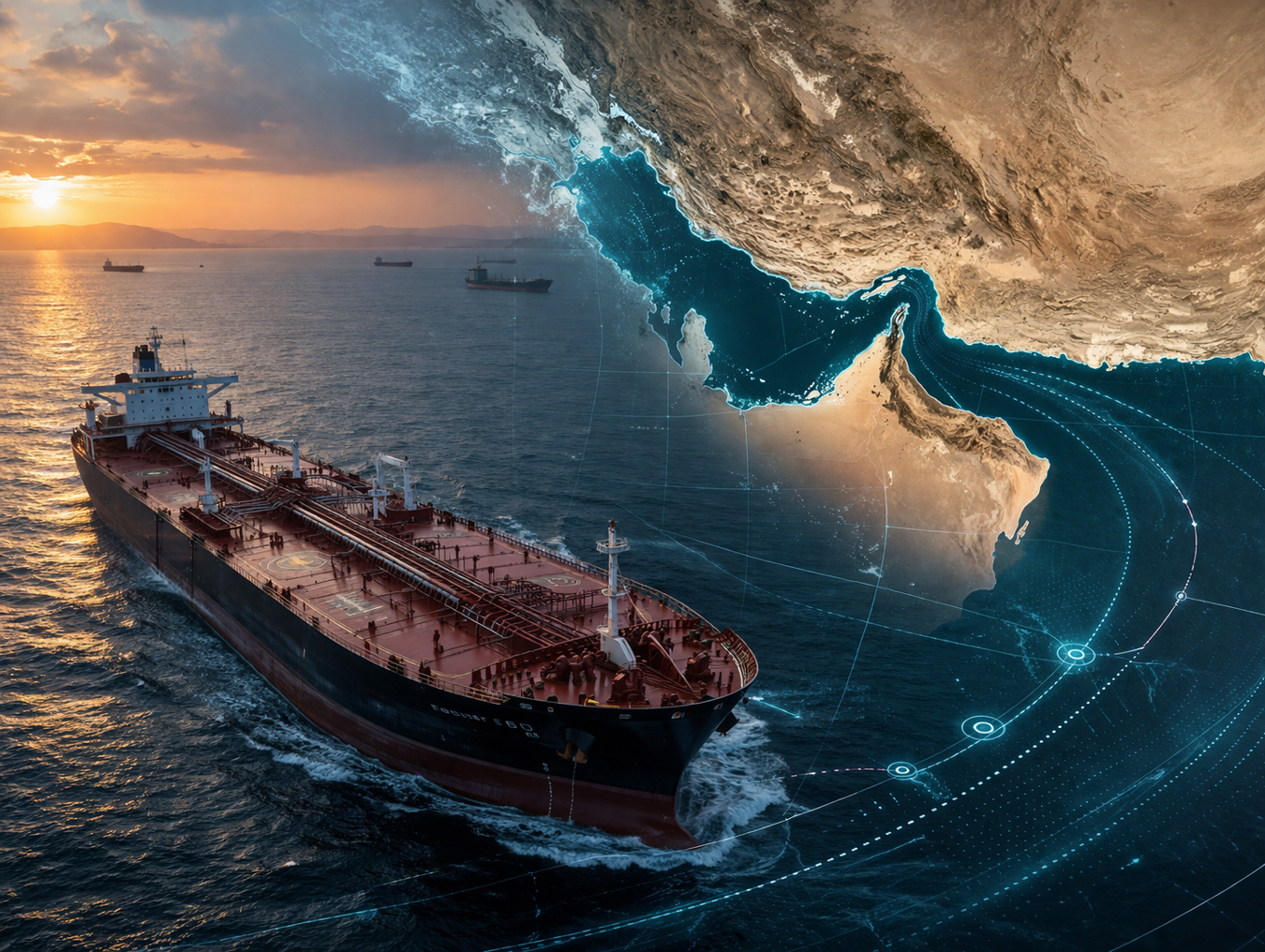
Recent disruptions affecting key global energy routes, such as the Strait of Hormuz, have once again exposed the vulnerability of maritime transport to fuel supply instability. As one of the world’s most critical chokepoints for oil flows, accounting for around 20% of global oil trade, any interruption in this corridor can rapidly impact fuel availability, costs and operational planning across the shipping sector. Around 90% of global trade is transported by sea, meaning that such disruptions can also indirectly affect the availability and price of everyday goods.
While such events are temporary, they reveal a structural challenge that continues to affect maritime transport: the strong dependence on fossil fuels produced in limited regions and transported through highly concentrated global routes. This reliance increases exposure to geopolitical risks and limits the sector’s ability to respond to sudden disruptions. Fluctuations in fuel supply and prices can ultimately translate into higher transport costs, which may affect the price of consumer goods and raw materials.
Beyond sustainability and emissions reduction, these dynamics highlight the growing importance of resilience in maritime energy systems. In this context, resilience refers to the ability of ships and shipping operations to maintain functionality and performance despite disruptions in fuel supply, price volatility, or external shocks. Enhancing resilience requires moving away from rigid, single-fuel dependencies towards energy systems that are flexible, efficient and adaptable to changing operating conditions.
Against this background, the situation highlights the strategic relevance of the approach being developed within the MARPOWER project. By focusing on fuel flexibility and high-efficiency energy conversion, MARPOWER directly addresses the vulnerabilities associated with conventional fuel supply chains.
The MARPOWER system is designed to operate with a range of sustainable fuels, including hydrogen, ammonia and green methanol. Unlike traditional fossil fuels, these energy carriers can be produced in multiple regions worldwide using renewable energy sources, including close to ports or industrial hubs. This decentralised production model reduces reliance on specific supply routes and contributes to enhancing energy security in maritime transport. Resilience is further supported by the retrofit potential of the MARPOWER technology. The system is designed for integration into existing ship energy systems, enabling vessels already in operation to adapt to emerging fuel and infrastructure conditions without requiring full fleet replacement.
At the same time, improving energy efficiency is a key component of this strategy. By optimising onboard power generation through an advanced gas turbine architecture combined with waste heat recovery, MARPOWER contributes to reducing overall fuel demand while supporting the decarbonisation of maritime transport. The system is conceived to maximise energy use on board and deliver a more flexible and efficient solution for future shipping applications.
By combining fuel flexibility with decentralised energy pathways, MARPOWER enables a shift away from structurally vulnerable fuel supply systems. In doing so, the project supports not only climate objectives but also the resilience of maritime transport, by enhancing the sector’s capacity to operate under variable fuel supply and market conditions, in line with international decarbonisation targets set by the International Maritime Organization (IMO) and the European Union.
As global energy systems continue to evolve, the lessons from disruptions such as those in the Strait of Hormuz underline the importance of accelerating the transition towards more secure, sustainable and flexible energy solutions for maritime transport.
Taken together, resilience, sustainability and efficiency emerge as closely linked objectives. This reinforces the case for flexible energy conversion systems as a cornerstone of future-proof maritime transport.
MARPOWER brings together a multidisciplinary European consortium, including LUT University as coordinator, alongside Politecnico di Milano,, the German Aerospace Center (DLR), the Technical University of Denmark (DTU),the University of Vigo, Aurelia Technologies, Alfa Laval, RINA Consulting, RINA Services and Chantiers de l’Atlantique, with the support of Zabala Innovation. Through this collaborative effort, the project integrates expertise from research, industry and maritime stakeholders to accelerate the development and future deployment of innovative energy solutions for sustainable shipping.
AI-generated visual for illustrative purposes.